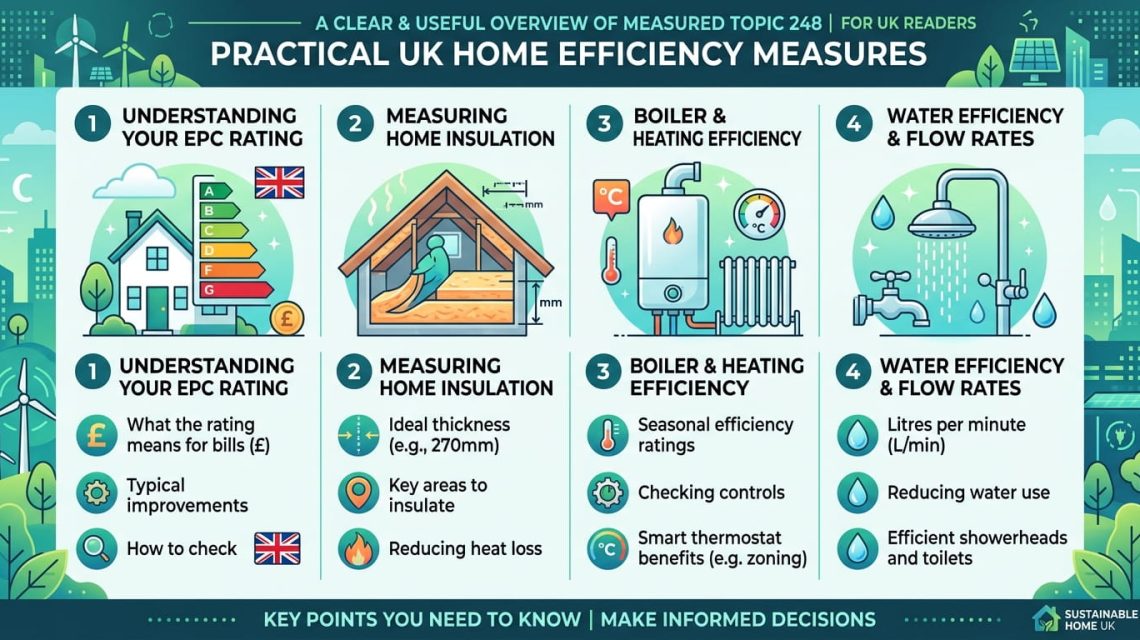
Measured Topic 248 is one of those subjects that comes up in public discussion more often than people realise, yet it is rarely explained in plain terms. This guide sets out the key points in straightforward English, explains why the topic matters for UK readers, and covers the practical considerations worth knowing. It assumes no prior knowledge and is written for anyone who wants a clear overview rather than a specialist study.
Overview
Measured Topic 248 belongs to the Measured Explainers category, which means it is treated factually and carefully rather than with hype or alarm. It is the sort of subject that appears in the news, in policy discussions, and in the background of everyday decisions.
The first thing to understand is that the topic is broader than it first appears. What most people mean when they refer to it is a specific example or a familiar aspect, but the underlying issues connect to a wider set of questions. Getting the basics clear makes the rest easier to follow.
It is also worth saying at the outset that this is not a subject where every question has a neat answer. Some parts are well established, others are debated, and some depend on circumstances that vary from place to place. This guide is honest about those limits rather than pretending certainty where there is none.
Key points to know
The core of the topic can be broken down into a few points that matter most for a general reader. These are the things that come up again and again, and understanding them saves confusion.
The first key point is about context. Measured Topic 248 did not appear from nowhere. It has a background, a set of influences, and a reason it is discussed the way it is. Knowing that background turns a confusing subject into a fairly logical one.
The second point is about evidence. Some claims in this area are well supported, others are contested, and some are simply repeated without much basis. The most useful approach is to ask where a claim comes from and how strong the evidence is, rather than accepting the first version you encounter.
The third point is about change over time. Details in this area are not fixed. Rules, figures, and common understanding shift, so any specific claim should be treated as a snapshot rather than a permanent truth. Checking current sources before relying on a detail is always sensible.
The fourth point is about the limits of a general overview. A short guide can give you the shape of a subject and the vocabulary to explore it further, but it cannot cover everything. Recognising where to go next, and where specialist advice is needed, is part of using the topic well.
Practical considerations
When it comes to actually using this information, a few practical considerations make a real difference. These are the things that help a general reader get more out of the subject.
Start by being clear about why the topic matters to you. Are you reading for general knowledge, for a decision you need to make, or because someone has raised it in conversation? A clear purpose sharpens your thinking and helps you judge which parts of the subject are most relevant.
Next, consider your sources. Public-interest topics attract a lot of casual claims, and not all of them are reliable. Official publications, established reference works, and reputable news organisations are safer starting points than social media summaries. A little care about where information comes from prevents a lot of confusion.
Then think about the people you might discuss it with. These subjects are often shared subjects, and talking them through with friends, family, or colleagues is one of the best ways to test your understanding. A quick conversation can reveal gaps in your knowledge that reading alone would not.
Finally, keep a note of what you learn. This sounds dull, but it is genuinely useful. Jotting down a figure, a date, or a source makes it much easier to follow up later and to explain your reasoning to someone else.
UK context
For UK readers, there are a few specific angles worth noting. Public-interest topics in the UK have their own institutions, rules, and habits, and the subject shows up in particular ways here.
The first is the role of public bodies. In the UK, much of the background to this topic involves organisations such as government departments, regulators, local councils, and independent watchdogs. These bodies vary in what they do, but they are generally the most reliable starting points for anyone who wants to check the facts.
The second is the regional pattern. Public policy in the UK is not uniform. England, Scotland, Wales, and Northern Ireland each have their own arrangements in some areas, and local councils often set their own rules. If you are reading about a subject online, check that the framing matches where you live.
The third is the language. Public-interest topics in the UK often come with their own vocabulary, and official documents can use terms that are not obvious to everyone. If a word or phrase is unclear, it is worth looking it up rather than guessing. Plain English guides are a useful starting point.
The fourth is the variation in access. What is available in one part of the UK may not be in another. Services, support, and information differ by area, and checking locally before you plan or act is always sensible.
Further reading
If you want to go deeper into this topic, there are a few reliable places to start. These are practical, public sources rather than specialist publications, and they are written for a general audience.
The first is gov.uk, which covers a wide range of public-interest topics in plain language and is kept up to date. It is not always the most detailed source, but it is a good place to check the basics and to find out which organisation is responsible for what.
The second is the relevant regulator or independent body for the subject. These organisations publish guidance, reports, and data that are usually free and written for a general audience, and they are often the most reliable source for current figures.
The third is your local council. For anything that varies by area, the council website is the most reliable source. It may not be the most elegantly written, but it will tell you what actually applies where you live.
Finally, for topics that involve money, health, or legal matters, it is worth speaking to a qualified adviser rather than relying on general guides. This article is an overview, not a substitute for specialist advice, and where the stakes are higher, the right move is to ask someone who deals with the subject professionally.
Frequently Asked Questions
What is Measured Topic 248?
Measured Topic 248 is a public-interest subject covered in the Measured Explainers category. It is treated factually and carefully, and it can be understood at a useful level without prior specialist knowledge.
Why does Measured Topic 248 matter?
It matters because it connects to public decisions, everyday conversations, and understanding of how things work in the UK. Understanding the basics helps you make sense of what you read and hear, and it makes it easier to discuss the subject with confidence.
What should UK readers know about Measured Topic 248?
UK readers should be aware that the subject can vary by nation and by local authority. England, Scotland, Wales, and Northern Ireland do not always have the same rules or arrangements, and public bodies differ in what they offer. Checking current, local information is always sensible.
Where can I find more information on Measured Topic 248?
Gov.uk and the relevant regulator or independent body are good starting points for reliable information. Your local council website is the most reliable source for anything that varies by area. For matters involving money, health, or legal issues, a qualified adviser is the right person to ask.